"Phil is not only a great guy, but he genuinely knows how to solve any problem you throw at him, and we've certainly had a few over the years."
Melanie B., Google review
★★★★★
"Phil is hands-down the best pest control guy we've ever had. He shows up right on time, always friendly and professional, and took the time to actually explain what he was doing and why."
Tanya G., Google review
★★★★★
"Had an amazing experience. They were very quick and efficient, I couldn't have asked for anything more. Phil and his team did an amazing job and couldn't recommend more."
Jorja W., Google review
★★★★★
"Gave me honest and genuine advice and service at a great price."
Google review
★★★★★
"Extremely high standard of work, communication and customer service."
Google review
★★★★★
"Phil and Cooper did a fantastic job cleaning our carpet, rugs and furniture."
Google review
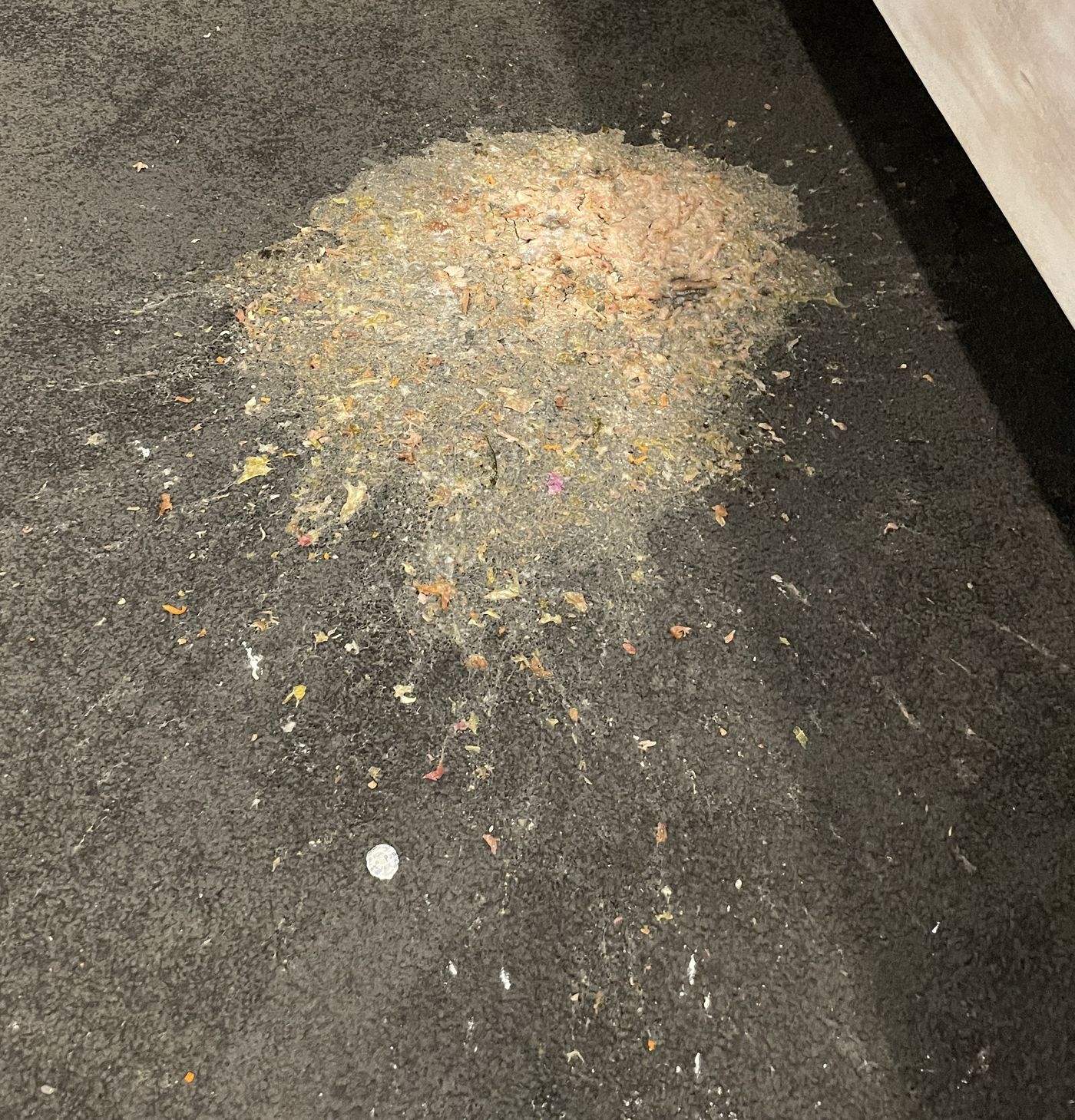
Short answer: scrape up solids first with a blunt edge, then blot, never rub, with cold water and a mild detergent solution, working from the outside of the mark inward. Avoid hot water, since heat can set the acids and proteins in vomit into the fibre rather than lift them. Lingering odour after the visible mess is gone usually means an antibacterial enzyme treatment is needed, not a stronger scrub.
Written by Phil, CPH Services Gold Coast. Carpet cleaning technician and licensed pest control technician, working Gold Coast properties since 2011. IICRC accredited. Three Best Rated Best Business, 2016 to 2026.
Scrape before you blot
Remove any solids first with a blunt edge or a spoon, lifting rather than pressing down, before introducing any liquid. Getting the bulk of it off the carpet before you start blotting makes every following step more effective.
Cold water, never hot
Avoid hot water on a vomit stain. Heat can set the acids and proteins into the fibre rather than lift them out, which is the same reason we never use hot water on pet urine stains during a professional clean. Cold water and a mild detergent solution is the safer combination here.
Blot, do not rub
Work from the outside of the mark inward with a clean cloth, blotting rather than rubbing. Rubbing spreads the mess further into the pile and can push it deeper rather than lifting it out. Change to a clean section of cloth regularly so you are not just moving the stain around.
When a set-in stain needs a professional clean
If the mess was not caught quickly, or lingering odour suggests residue has worked down into the underlay, a professional clean using antibacterial enzyme treatment addresses what DIY blotting alone cannot reach.
Stain not lifting? Call 1300 85 48 28. We would rather give you an honest read on whether it needs a professional clean than have you keep working at it.
Got questions? Straight answers below. Or skip ahead:
The acids and proteins in vomit start bonding with carpet fibre quickly, and a fresh mess lifts far more easily than one left to sit. Acting within the first hour makes a real difference to the result.
Should I use hot water on a vomit stain?
No. Avoid hot water, since heat can set the acids and proteins into the fibre rather than lift them out. Cold water and a mild detergent solution is the safer approach.
What about the smell after cleaning the visible mess?
If odour lingers after the solids and stain are addressed, it usually means residue has worked down into the carpet or underlay. An antibacterial enzyme treatment breaks down what is causing the smell at the source, rather than masking it.
Should I try to scrub the stain out?
No, scrubbing or rubbing spreads the mess further into the pile and can damage the fibre. Blotting from the outside of the mark inward lifts the stain without grinding it in.
Ready for an honest estimate?
Tell us about the job. Phil replies personally between jobs, usually within 2 to 4 hours. Urgent? Call 1300 85 48 28. No pressure, no lock-in, no call centre.